

Stitching & Garment Manufacturing Unit
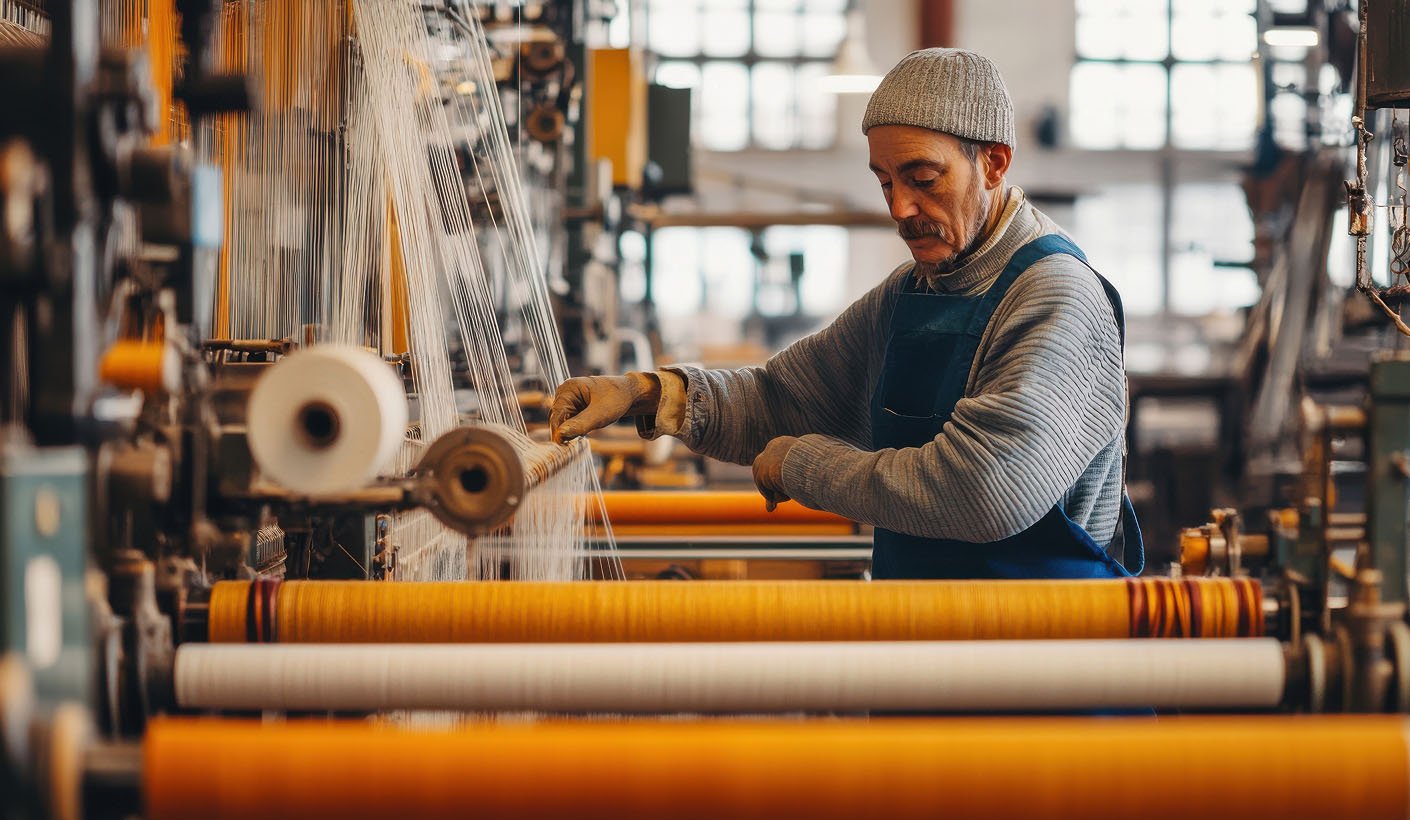
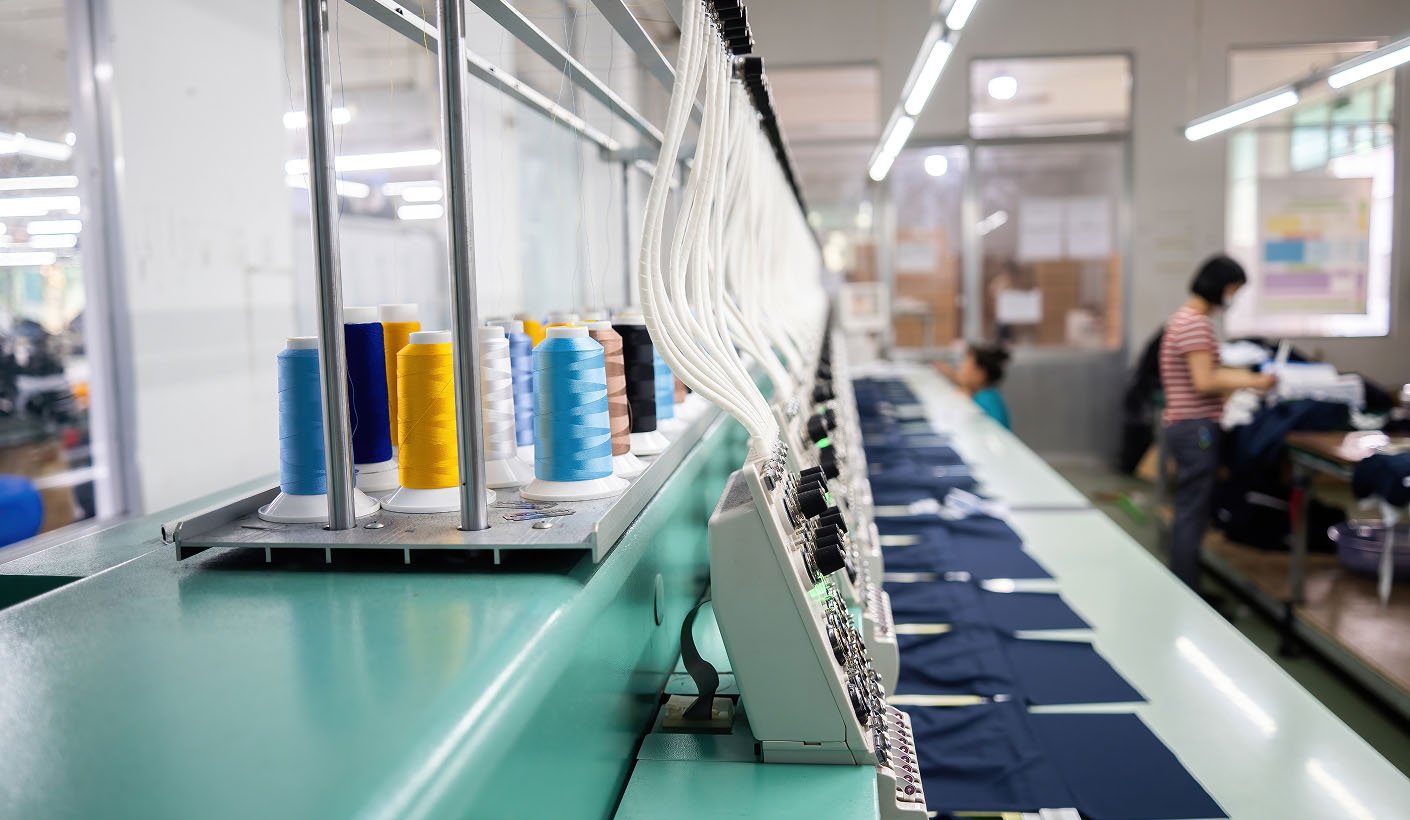
We manage the manufacturing of your garments from concept to final product. Our expertise covers corporate uniforms (hospitality, healthcare), fashion collections (local and international designers), and custom orders (small or large runs). We guarantee precision cutting and meticulous finishing, ensuring the durability and brand image of your products.
Uniforms, fashion collections, custom designs
Small to large production runs
Sampling and prototyping available
Skilled tailors and industrial machines
Quality Maintain Every Time
In design, we bring characteristics of the natural world into built spaces, such as water, greenery, and natural light, or elements like wood and stone. Encouraging the use of natural systems and processes in design allows for exposure to nature, and in turn, these design approaches improve health and wellbeing. There are a number of possible benefits, including reduced heart rate variability and pulse rates, decreased blood pressure, and increased activity in our nervous systems, to name a few.
Understand your business
We believe that every client is unique. That’s why Afritexia takes the time to understand your
business, your brand, and your vision before we start. Whether you need corporate uniforms,
fashion collections, or promotional textiles, our team designs solutions that align perfectly with
your goals and identity
what is main problems faced textile industry ?
The textile industry often faces challenges such as fluctuating raw material prices, supply chain
disruptions, and rising production costs. Environmental concerns, including waste management
and sustainable sourcing, also remain key issues. In addition, maintaining consistent quality
while meeting fast-changing fashion trends is an ongoing challenge for many businesses.
what is the importance of texttile industry?
The textile industry plays a vital role in global economic development. It creates millions of jobs,
supports cultural expression through fashion, and drives innovation in fabrics and design. For
countries like Rwanda, the textile sector strengthens local economies, reduces dependency on
imports, and promotes the “Made in Africa” movement.
how can improve textile industry?
The textile industry can improve by embracing technology, adopting sustainable practices, and
investing in skilled labor. Digital printing, advanced tailoring equipment, and eco-friendly fabrics
can enhance efficiency and reduce environmental impact. Collaboration with local artisans and
international markets also helps the industry stay competitive and innovative.
what is the demand for textile industry?
The demand for textiles continues to grow worldwide due to population increase, evolving
fashion trends, and the need for specialized fabrics. From everyday clothing to corporate
uniforms and high-end fashion, textiles remain essential. Today’s consumers also seek
sustainable, durable, and ethically made products, creating opportunities for companies that
combine quality with responsibility.